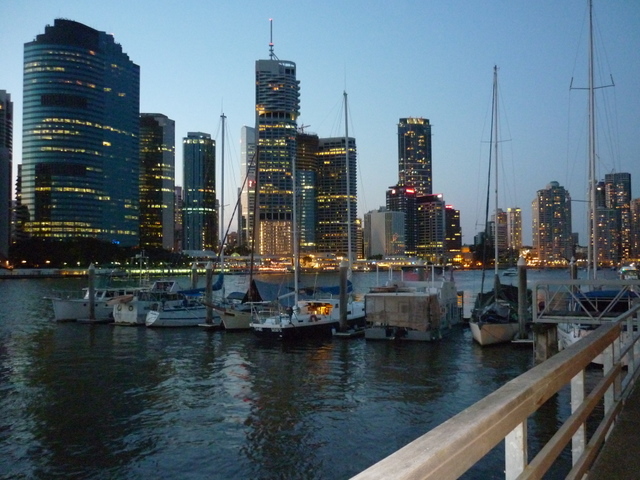
Lembata and Adonara Islands

We are currently anchored at the the tiny and uninhabited Kroko Islands just off of the northeast tip of Adonara Island. We were looking for clean water where we could swim and safely use our water maker to refill our tanks, and this place fits the bill. Three massive volcanoes overlook the anchorage. There is a small village of fisherman about 2 miles away on Adonara Island. Every morning, one of them paddles out and sells us bananas, papaya, and drinking coconuts. The snorkeling here is surprisingly good. There is almost always a strong current so we take the kayak or dinghy up-current, get in the water while holding onto a long rope attached to the kayak or dinghy, and drift back. Not a lot of fish or coral, but what there is is colorful.

In coming here, we departed from the route of the rally which was going to Alor Island, with another branch going to Rote Island. We have no need for scheduled events and crowded anchorages. Many other boats left the wrally as well and some of them found their way here. Our overnight sail from Kupang to Lembata Island had some pretty good wind for most of the way — a pleasant surprise. After arriving, we spent only two hours anchored in the southwest corner of Lembata Island as we saw that there was some wind and current going north up the strait, so we decided to take advantage of it. We went into Lebaleba Bay and anchored near the ferry dock of the town of Lewoleba — the commercial center of this small and seldom visited island. We thought we would go ashore and have an adventure the next day but, unbeknownst to us at the time we anchored, we were 200 meters away from a karaoke bar that blasted bad music until past 2 am. Laura could not sleep even with ear plugs. So first thing in the morning, we left and went to our current position at Krako Islets where there is no town and the water is clear. The water is filled with trash in both Kupang and Lewoleba — plastic bags, juice boxes, empty plastic bottles, and assorted detritus. I would not run the water maker in either of those places.

Last night, as Laura and I sat at the bow of Sabbatical III to watch the fiery red sun set into the sea, we suddenly spelled something bad in the air — almost like skunk. We could not quite place it, but it was unpleasant. About 2 hours later some friends on another boat that had just arrived earlier that day called us on the radio to ask if it was usual for the volcano to our south to be spewing lava. We had been here for 3 nights and had seen no such thing so we went of deck and sure enough, lava was streaming down one slope of the volcano. The volcano is a few miles away, so we did not feel at risk, but I did mark in my mind the way through the reef in the dark to get to open sea. The smell, of course, was sulphur and other volcanic gasses. The volcano is just smoking a bit today, but then so are the other two volcanoes that are in view.

Tomorrow we plan to sail on to the “Scorpion’s Tail” peninsula of the much larger Island of Flores. We will start at Tanjung Gedong, about 35 miles away, and then hop along the north coast of Flores until we get to the far western end at Labuan Bajo. Hannah (our daughter) will fly into Labuan Bajo at the end of the month and join us for the remainder of our Indonesian adventure

M.

Posted via email from sabbatical3blog’s posterous

Departing for Lembata Island

We are leaving Kupang for Lembata (also known as Lomblen and Kawula) in about 30 minutes (3:30 pm local time). We will anchor at Tangung Liang Meah at the far southwestern end of the island. It is a passage of about 105 nautical miles. We should get there sometime tomorrow (Monday) morning. It is quite windy here in Kupang but we expect only 5-10 knots of wind once we are a few miles from shore.
M.

Posted via email from sabbatical3blog’s posterous

First days in Indonesia

We had a 3 day sail from Darwin to Kupang: 1st day light winds and combination of sailing and motor/sailing 2nd day light winds and rolly 3rd day – perfect conditions for sailing with our double head sails poled out. Had to slow down at the end in order to arrive after sunrise. Wind right from behind, but it was a good sail overall compared to what we had been expecting. Lots of wind since we arrived in Kupang – calm at night and then winds 15-20 during the day. We think the winds are just local and will probably die out as we head north.

Our check-in at Kupang with all the Indonesian officials went quite well. Tons of officials to see and papers and stamped documents to give and get, but it all went pretty smoothly. A few people who got here early (before the officials could figure out how to proceed with their masses of paper) ended up having a more difficult time than those of us who arrived on the expected days. The officials were pretty serious about their paperwork but most were quite friendly. Those who came to inspect the boat seemed to be quite hungry and thirsty, but it did not take much to make them happy.

The harbor is not clean and the place we land our dinghies has filthy water – particularly at low tide. There are a group of “boat boys” who have managed to commandeer a going rate of 35000 rupiahs a day to help with dinghies (about $3.50). This is a very high price for Indonesia, but unfortunately, once a few cruisers agreed to this, the price seemed to be set. The service, is however, really nice to have as they are very helpful and they lift the dinghies up and out of the water for you when you arrive and bring them safely up the beach, and then they carry them right back into the water for you when you leave and even push you off. It’s so helpful. They will do it as many times a day as you want for that set price per day.

All the prices have been jacked up very high for us cruisers – but compared to Australia things are still cheap. Bananas are under $1 for a big bunch compared to the $2 each piece that they were in Australia. A delicious lunch out will cost you anywhere from $2 to $4. Mark finds the most delicious restaurants and impresses everyone with his knowledge of Indonesian culture and food. Almost all the people we have met have been very happy to meet us and the kids are full of smiles. We just love the food here… it is so tasty! There are a few dishes that I remember vividly from our time spent in Indonesia nearly 30 years ago. I was afraid that they wouldn’t be so good after so many years, but they are still amazingly tasty.

Fuel…. This has been a bit of a headache. It was promised that fuel would be available for all the boats – many of whom are greatly in need of it – and I think everyone eventually got what they needed, but it was not easy. You have to get your fuel only from some guy down at the beach and he apparently did not grease the wheels well enough at the sole fuel company of Indonesia (Pertamina). Some people were promised fuel delivery to their boats and waited an entire day or more without anyone showing up. Others were promised fuel if they brought their jerry cans to the beach, but also had to wait a long time, or go with less than they were promised. The price of fuel doubled for a short while from the original price that was posted, but I think that too many of the sailors refused to pay (thank goodness) and the prices suddenly dropped back to what was promised.
We managed to get some fuel today after making friends with one of the very nice ladies from the tourist office, who is welcoming the boats here. Mark told her he was interested in eating Indonesian fried chicken and she immediately offered to take us to a good restaurant using the government automobile ( a super nice air-conditioned SUV). It was a fantastic meal and on the way back she asked us if there was anything else we wanted or needed and we mentioned fuel and she whispered that she could help us get some. An hour later we had 60 liters of fuel delivered to the dock. Today we got another 60 liters so we are all set – just a tiny bit short of full.
The other boats on the rally are a uniformly nice and very friendly group. There are about 75 boats here with us. We know lots of them from our trip up the coast and lots more from being in Tipperary Waters Marina. We continue to meet new people every day and we feel we really are lucky to have such a great group with us.

The rally organized a big festive welcome dinner last night and everyone came. There were some speeches and thank you’s and then a nice buffet dinner and a bit of Indonesian music and then they suddenly started playing really loud rock and roll and jazz and blues . One of the singers was dressed head to toe in a hijab, but she was belting out rock and roll like a pro. Then our tourist agency friend turned up on the stage and started belting out songs like Aretha Franklin. It was pretty amazing. At first I was disappointed because I had wanted to see and hear Indonesian music and dance, but then all the cruisers started dancing and we joined in and had a great time. They are having a second welcome party tonight but we are too exhausted to go.

L.

Posted via email from sabbatical3blog’s posterous

First look at Kupang

Two poled-out sails on the way to Kupang, Indonesia
Still-life at the helm: passage to Kupang
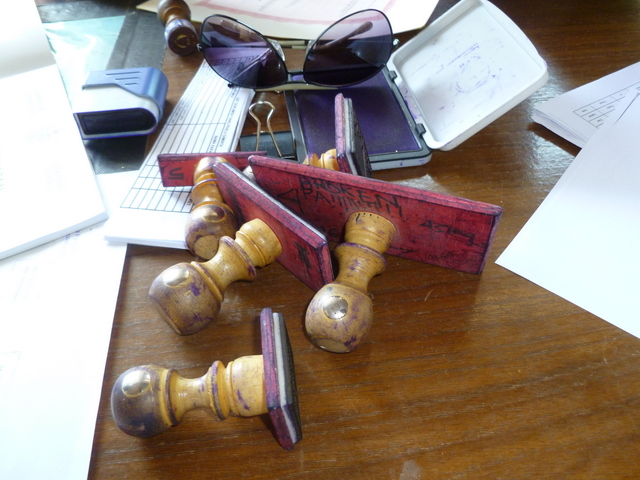
Bureaucratic still-life: some of the stamps used by check-in officials in Kupang


Friendly Port Captains: Kupang


Reflections on our passage to Kupang

We are anchored along with about 60 other boats off of the waterfront of Kupang, the provincial capital of the East Nusa Tenggara province, after a 3 day sail from Darwin. We finished our check-in today. There were numerous stations to stop at – quarantine, health, customs, immigration, and port captain – some stations had multiple stops. Everyone was very friendly as lots of forms were filled out, and each form was stamped multiple times, and entries were made in log books. We attested that no one had died en route, that there were no stowaways onboard (if you know about them then are they still stowaways?), etc. We then found a bank with an ATM that worked, a telcom office from which we bought a SIM for our cell phone and a cellular modem, and then a Padang restaurant for lunch where Laura could finally eat some rendang (buffalo meat boiled in coconut milk and spices), one of her favorite dishes, for the first time in 30 years.

The sail here from Darwin was very good – on average. The first day we had light winds and seas that we could sail with a poled out spinnaker on one side and a poled out genoa on the other. The wind slowly died late in the afternoon but then came up briskly and on the beam (from the south) just at sunset, so we rushed to take down the two headsails and reset our sails. The wind became light and right from behind late at night, the waves became steep and from three different directions, and the boat started to roll uncomfortably. We reset a sail on a pole but every few minutes the sail would collapse as the boat rolled and then come back with a jolt that shook the rigging. I hate conditions like that. If the seas are uncomfortable you should at least be able to go fast. We wound up motoring for most of the second night as the shock loads on the rig made me uncomfortable. Dawn brought some relief – the seas became more regular and the wind picked up a bit. As the sun rose, we reset the spinnaker and genoa on poles and hoped for the best. What we got for the rest of the journey (about 25 hours) was as nice of a sail as one can possibly have. Conditions became perfect – plenty of wind and swells so rounded and well spaced that down below in the boat you thought we were still sitting in the marina. Plus, dolphins kept stopping by for a quick visit to leap for us and then dart off. At one point, Laura called me down to the head (bathroom) to check on a squeaking noise. When I went down to check she came up to the cockpit and discovered the source of the noise – small whales were around the boat squeaking to each other. Just before sunset, a big pod of dolphins decided to put on a 30 minutes exhibition of synchronized swimming and jumping. The night was clear and full of stars and the ocean was glowing with phosphorescence. So a glorious day 3 more than made up for a crummy day 2 and was more than enough to make this a very good passage overall.

It is very nice to be back in Indonesia after so many years. I had nice chats in Indonesian with the Port Captain and the Customs guy, who invited me for a beer, with people in the street, and with the mother-and-daughter restaurant proprietors. After all those years of Indonesian language study, and all the time that spent in Indonesia mostly many years ago, it is nice to find out that I have still retained my language skills.

M

Posted via email from sabbatical3blog’s posterous

Nearly to Indonesia

We have completed the first 2 days of our planned 3 day trip to Indonesia from Darwin. Only about 150 miles to go and we hope to be anchored in Kupang (on the southwest corner of the island of Timor) by tomorrow afternoon. The first day sailing out here was slow, but very gentle, yesterday was slow and uncomfortable with too much swell and too little wind, but today is perfect – the right amount of everything and we are flying smoothly along at 7 to 8 knots under blue skies. Lots of dolphins in these waters and we have already had some visits from them – hoping for a big show of them somewhere along the way.
Our current position :
S10 degrees 57 minutes
E 125 degrees 35 minutes
1:00 p.m. Monday (Darwin time)
Heading a course of 283 degrees magnetic
L.

Posted via email from sabbatical3blog’s posterous

Departing for Indonesia as part of the Sail Indonesia Rally 2011

Tomorrow (Saturday), morning at 0830 we will go through the lock of the Tipperary Waters Marina, drop to sea level,  and enter the waters of Frances Bay to begin a 474 nautical mile (878 kilometer) passage to the city of Kupang on the island of Timor, Indonesia, as part of the Sail Indonesia 2011 Rally.  Approximately 110 sailboats (and two power boats) from all over the world are participating.  You can check out the web site at http:\www.sailindonesia.net.   Our trip takes us on a course of about 285 degrees true through the Selat Roti (Roti Strait) and the Selat Semau (Semau Strait) to an anchorage in front of Teddy’s Bay, Kupang.


We have been working hard getting Sabbatical III ready to cruise Indonesia.   I had some navigational equipment fail, so I ordered new equipment from the US three weeks ago.  That has not arrived.  So a few days ago I ordered similar equipment from Sydney with a promise of next day delivery.   There was a problem at the Sydney airport Wednesday night that backed up flights badly and it only just now (Friday afternoon) arrived into the Darwin airport.  I cannot get it though because it is a public holiday in the Northern Territories as today that marks the start of the 3 day “state fair.”  Realizing that neither of my orders would arrive in time, I have cobbled together something that works with help from an electronics shop, some creative wiring, and some soldering.  It looks ugly but it works.  Another vessel that has to stay behind to repair their rudder will bring my equipment to me in Indonesia when they depart in about 4 to 7 days.


Other than that, Sabbatical III is in excellent shape and full of provisions, fuel, and water.  We have really enjoyed our stay in Darwin and have met some great people. We are looking forward to getting underway again and to the start of our 3 month trip through the Indonesian archipelago.


M.


Photos from the Northern Territory of Australia

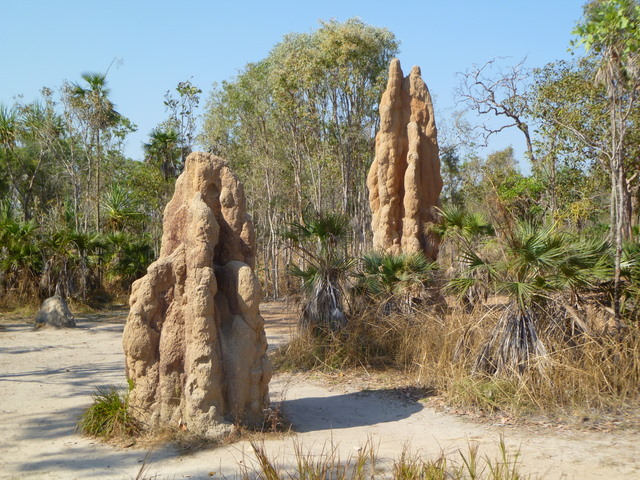
Cathedral termite mounds, Litchfield National Park
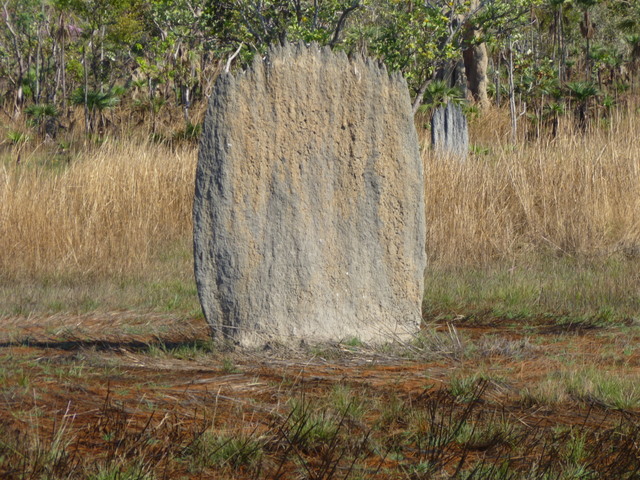
Magnetic termite mounds, Litchfield National Park
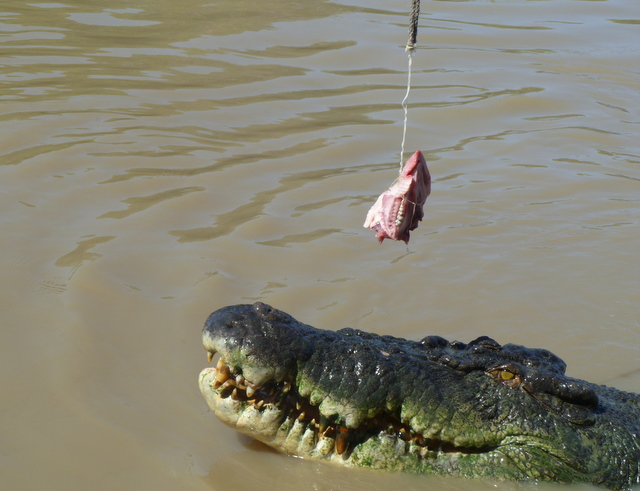
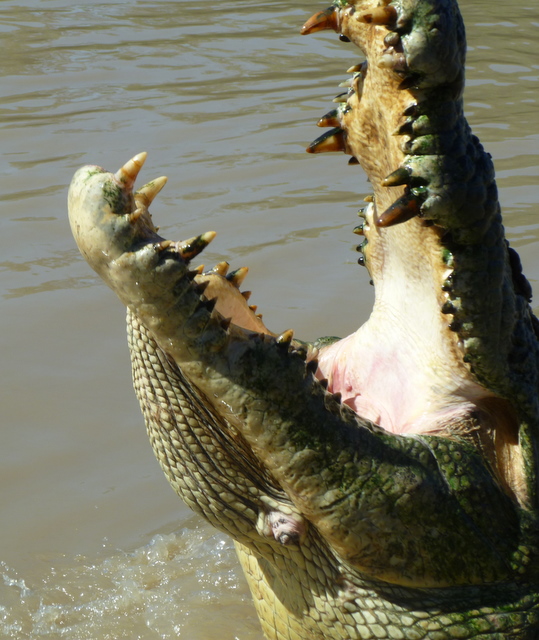
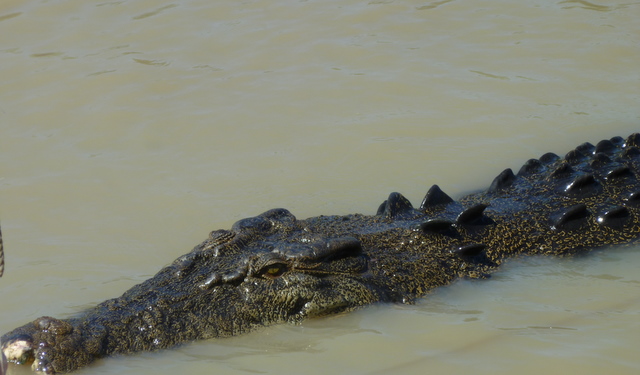
Crocodile, Adelaide River, NT


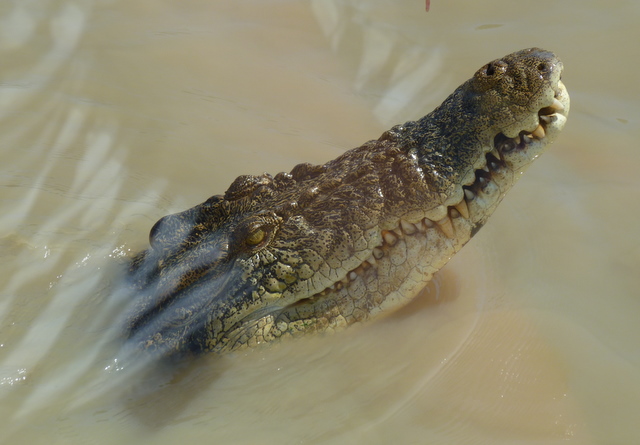
Another Crocodile


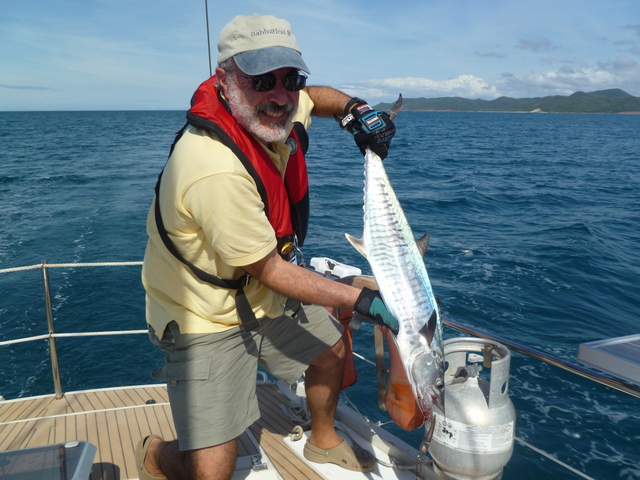
Mackeral
Mackeral
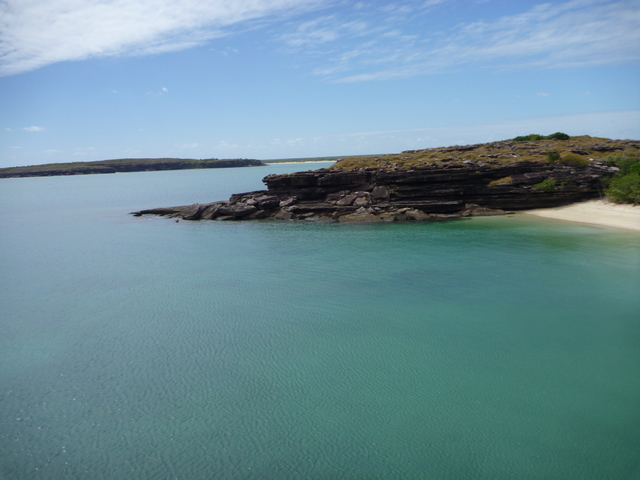
Two Island Bay, Wessel Islands, Australia
Wessel Islands
Wangi Fall, Litchfield National Park, NT
Crocodile, Adelaide River, NT
Laura and Melinda of Dedalus
Crocodile, Adelaide River, NT
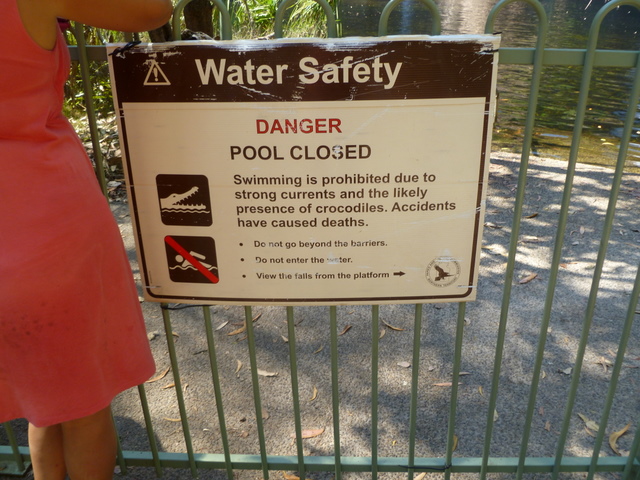
Water safety, Litchfield National Park
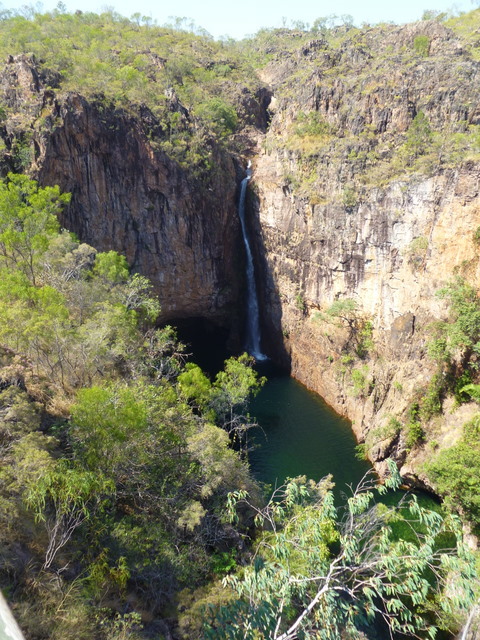
Waterfalls, Litchfield National Park
Giant Barracuda
Laura at Litchfield National Park
Walking at East Point, Darwin


Summary of the trip so far

Just a brief summary of our trip up the coast of Australia from Scarborough Marina, Queensland to Darwin, Northern Territory: May 4 to June 29, 2011

We sailed about 2,174 nautical miles over 57 days.  Total of 334 hours of sailing at an average speed of 6.5 knots (7.5 mph). We dropped anchor at 24 different bays and harbors (including 3 marinas) – with time spent on shore hiking and sightseeing at 13 of these. We only swam and snorkeled at two places due to the abundance of crocodiles and lack of clear water in most places.  The” Great Barrier Reef” did not live up to its reputation and we have started referring to it as “The Pretty Good Barrier Reef”.  Maybe it was just a bad year here due to a big cyclone and lots of rain earlier in the season.  Maybe we are just spoiled after 4 years of snorkeling in so many unspoiled islands across the Pacific.  In any event, despite our inability to get in the water, most of the coast of Australia was very interesting to see; almost totally uninhabited with mile after mile of beaches, sand dunes, scraggly trees and some pretty impressive hills.   Just a few towns here and there with lots of miles of land off limits to all but the Aborigines.   We had some of the best sailing of our trip because the barrier reef cuts off most of the ocean swell so that one can sail along on smooth seas and there are steady trade-winds pushing you along in the right direction. Great fishing as well.

We befriended at least 25 couples on other  boats on the way – almost all of whom are going to be part of the rally to Indonesia leaving Darwin on July 23rd.   (About 100 boats currently signed up for the rally)

Looking forward to spending the next 3 weeks here in Darwin – enjoying the luxuries of living at a marina – unlimited power for lights and fridges,  easy access to stores, and lots of opportunities to walk and visit with other sailers.

L.

We are in Darwin

We arrived in Darwin this afternoon, seven weeks after we left Scarborough Marina. We encountered no stormy weather or drama, yet the almost daily routine of having to pick up anchor and get to the next anchoring place before dark became exhausting by the end. The sun has been intense during the day, and it has warmed up considerably. But now we have three weeks to get Sabbatical III ready for her voyage through Indonesia. We will write more tomorrow to update the blog with the events of the past week. It is great to he here.

M.

Posted via email from sabbatical3blog’s posterous

Oxley Island

We left Marchinbar Island in the Wessel Islands yesterday at first light and sailed 240 miles in about 32 hours to Oxley Island. Oxley is uninhabited, as is Marchinbar, and lies about 20 miles from the larger Crocker Island. The sailing was very good. We sailed with “Endangered Species” and “Dadelus”. Only Dadelus is here with us now as Endangered Species continued on to Crocker Island. Tomorrow we will sail 50 miles to Port Essington on the mainland coast.M. 

Posted via email from sabbatical3blog’s posterous

One step closer to Darwin

Another big step towards Darwin! We just finished a 56 hour sail from Mt. Adolphus on the far north-eastern tip of Australia across the vast Gulf of Carpentaria (GOC) and arrived at a safe and comfortable anchorage on the western side of GOC at the Wessel Islands. We are now another 360 miles closer to Darwin. About 400 to go….
The very cool part about the trip was the first 6 hours when we left Mt. Adolphus and had to pass by several small islands (including a Tuesday, Wednesday, Thursday and Friday Island) and a number of reefs before entering into the open and unobstructed waters of the GOC. The area is called the Torres Straits and it is a band of water that flows south of Papua New Guinea and just over the northern coast of Australia, connecting the Pacific and the Indian Oceans. It is famous for its boat traffic and its strong currents. If you time the currents right (which we did) you can pick up an additional 5 knots of boat speed. That means that if you are sailing along at 6 or 7 knots (a typical speed for us), you can suddenly be going 11 or 12 knots. We had a crystal clear day and the seas in the Torres Straight were flat and aquamarine blue and we absolutely flew along for the first few hours at speeds of up to 12 knots. It was really amazing. We were sailing with a new friend of ours, Northern Winds, who has a magnificent boat and they were blazing along at up to 14 knots.

After that we were in the aquamarine Sea of Arafura (Ever hear of it before? I had not. It opens to the Indian Ocean.) and crossed the Gulf of Carpentaria (see our last blog for a map). We went with a good wind forecast and a relatively light sea swell forecast (
We had another surprise at the end of the trip when we rounded the northern most tip of the Wessel Islands – a long, thin strip of islands that mark the western border of the Gulf of Carpentaria. As we approached the tip we noticed that the water ahead of us was a totally different color and swirling and filled with white-caps. Suddenly we were in the most beautiful, strange, and furious looking water that we have seen for some time. We had arrived at the tip of the island (where currents and wind can be strongest) at a time of day when the current was moving towards us while the wind and waves were coming up behind, making a confused and swirling sea state. The water was 50 meters deep, and obviously soft white sand on the bottom and the whirling water was creating patterns of various shades of blue, depending on how much sand was swirling up. The swells were large and it was difficult to go faster than 2.5 knots (rather than the 8 knots we were doing just before that) because the current was pushing us one direction while the wind was pushing us another. The water was such a beautiful color – which I have tried to capture in pictures and video. We were glad to have reached that point while it was still daylight and while the winds were relatively light. I would imagine it would be unnavigable during certain conditions.

Once we turned the corner at the tip of the Wessel Islands we were out of the churn and the tumult and we proceeded another few miles down the coast to a beautiful protected anchorage where there are 6 or 7 other boats – all heading to Darwin. Slept about 12 hours last night and feeling fine…..

L.

Posted via email from sabbatical3blog’s posterous

At the top of Australia

Scarb2darwin

We are now past the top of the continent of Australia. Yesterday afternoon we arrived at Blackwood Bay on the west side of Mount Adolphus Island after a very fast sail from Margaret Bay. Our coordinates are:

S 10 degrees 38.63 minutes
E 142 degrees 38.62 minutes

The last time we anchored this far north was the Galapagos Islands. This is, of course, the farthest west Sabbatical III has ever been.

Yesterday we sailed in 20-25 knots winds that pushed the boat along at 8 to 8.5 knots. Three freighters passed us in the channel during the sail in what seemed to be slow motion. There seems to be a 14 knot speed limit in the channel along the Great Barrier Reef, so a freighter going north (which is all we saw) only closes on us at 6 knots or less. Our AIS makes us aware of then more than 20 miles away, and tells us that they will approach us in 3 hours. In three hours we can have lunch, take a nap, and then deal with freighter traffic. If only it was this way all the time with freighters.

The wind, seas, and currents are all perfect for our departure across the Gulf of Carpenteria starting tomorrow morning (June 19). We will leave here (Mt. Adolphus) at about 0930 local time and catch the strong tidal steam as it turns to the west along our various legs through the Torres Strait, following the Prince of Wales Channel. It is 361 nautical miles to Two Island Bay in Marchinbar Island. The course is about 265 degrees magnetic once we clear the Straits. The forecast is for winds of 15-20 knots from the southeast andd seas less than 2 meters for the whole trip to Marchinbar.

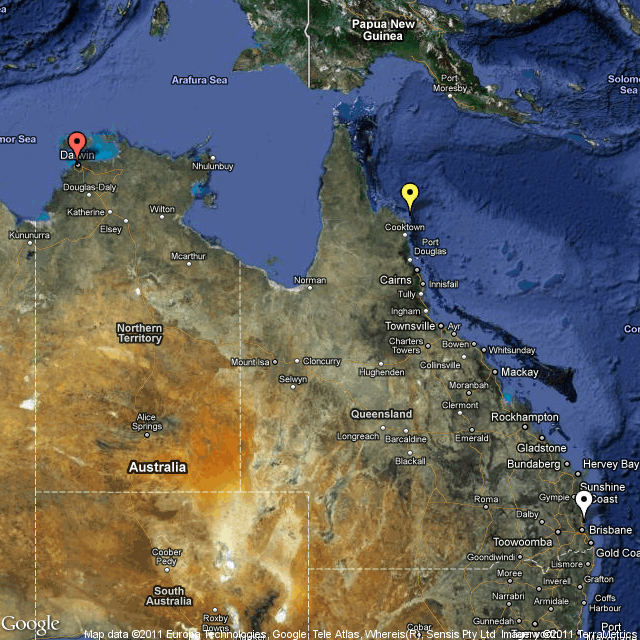
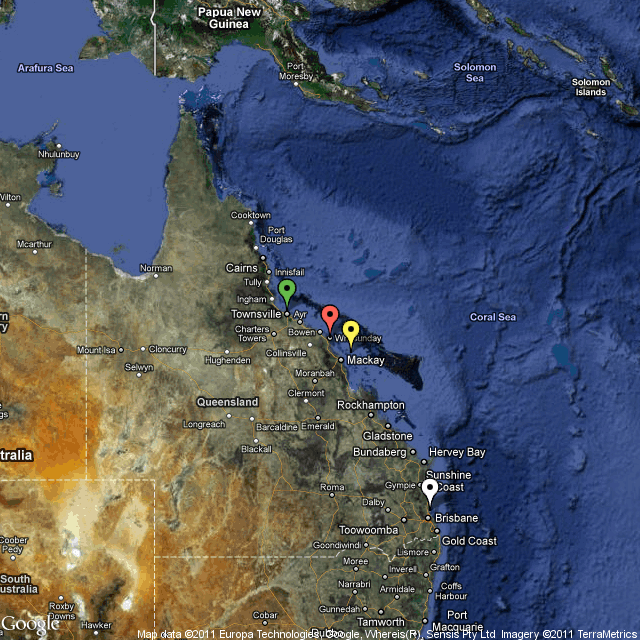
The attached map shows where we have been where we are, and where we are going. The yellow icon is Scarborough (Redcliffe), our starting point this year, the green icon is Mount Adolphus Island, our current position, the white icon is Marchinbar Island in the Wessel Islands, our next stop, and the red icon is Darwin, our last stop in Australia.

M.

Posted via email from sabbatical3blog’s posterous

Margaret Bay and beyond

In anchoring at our current location (Margaret Bay), Sabbatical III is further north (by latitude) than she has been since June 2007 when we were in Oa Pou in the Marquesas Islands when Hannah and Mia were visiting us. Even though we are so much closer to the equator, it is still cool at night and even on the water sailing during the day. We have been told that Darwin is, unfortunately, a bit steamy.

We sailed to Margaret Bay (behind Cape Grenville) yesterday (Wednesday) in brisk winds and somewhat confused seas. It was a fast sail. We decided to spend the day here today and rest and plan our next passages. Some other Rally boats came in today and Laura joined them for a walk ashore while I worked on issues of tides, currents, and winds. There was a small (8 foot) crocodile on the far end of the beach, so Laura and her companions walked the other way.

The usual course from here is to sail to Escape River (80 miles north) and anchor, and then proceed around the tip of Cape York the next day via the Albany Channel, ending up at Seisa. However, it would be dead low tide when we arrived at Escape River, made very low by the full moon, and we have had a friend who recently went aground there. I do not want to enter the river at anything less than half tide. Moreover, the next day it would be difficult to avoid an adverse current in the Albany Channel. So we now have a different plan. We will leave here at 3:30 am and head for Mount Adolphus Island going outside of Albany and north of Cape York. That is a passage of 90 miles. The bay on the west side of Mount Adolphus looks like it would be secure. Cape York is the northern most point of continental Australia.

After a day of rest, we plan to sail well north of Cape York and take the Prince of Wales Channel through the Torres Strait and on to Marchinbar Island at the north end of the Wessel Islands. This latter passage is about 360 miles and will take 48-56 hours depending on conditions. Our friends on “Wombat of Sydney” anchored at Two Island Bay at Marchinbar Island last night and said it was very secure and provided me with lat-long and entry info. From the Wessel Islands we will plan the rest of our journey to Darwin, which will then be just a few days more away.

In going from Mount Adolphus to the Wessel Islands we are crossing the Gulf of Carpenteria, or as some sailors call it, the Gulf of Crap-iteria because of the uncomfortable sea conditions that are common. Looking ahead, we see a weather window of somewhat better seas starting on Sunday so we hope to cross the Gulf on Sunday and Monday and arrive at the Wessels on Tuesday morning. We will try to post an update from (uninhabited) Mount Adolphus Island.

M.

Posted via email from sabbatical3blog’s posterous

From Flinders Island to Morris Island

Yesterday we sailed the 80 miles from Eagle Island to Flinders Island. When we left at 4 am, we noticed that the wind was down from the 18-21 knots of the previous four days to 15 knots. The forecast called for 20 25 knots The 15 knots gave us a good sail until around noon and then the wind just died, and we had to motor the rest of the way to Flinders. The bright spot was the King Mackerel that I caught in the afternoon. Enough nice, white fish for supper for four days.

The wind came up at 1 am this morning. We know since it generated a steep chop in the anchorage that hit the boat at the stern (wind and current were not from the same direction). Nothing to be done but try to sleep as well as we could as the boat pitched around. We left at 7 am for Morris Island, about 60 miles away. We were able to sail for the first 6 hours but then the wind died again and we had to motor for 3 hours before we got a little breeze again. On the bright side, the seas were quite flat except for those hours at anchor. There are five other Sail Indonesia Rally boats here (one US, one Canada, one Brazil, one France, and one Australia) and I expect all will head for the same place we will head tomorrow — Portland Roads. But if the wind is too light, I think we may just wait another day at anchor.

M.

Posted via email from sabbatical3blog’s posterous

Eagle Island

Eagle Island, part of the Great Barrier Reef

We are still at Eagle Island.  Yesterday the smoke from the fires on Lizard Island diminished and the boats that were with us either returned to Lizard Island, or continued north.  We were going to continue north today as well.  But I got on a Skype session with a professional colleague (we still have access to 3G from Lizard) about our research collaboration, and the day went by without us getting prepared. So we decided to stay here another day.

We were able to snorkel in three different places on the reef around Eagle Island and it was quite nice, although a bit on the cool side.  The highlight is the giant clams.  The biggest are 3 feet (1 meters) across and about 2 feet (0.6 meter) tall, and must weigh a couple of hundred pounds.  That is a lot of clam.  They are the largest bivalve mollusks in the world.  The color of their lips vary from clam to clam.  Below is a photo we took of a smallish one that was just below were we anchored the dinghy.

Giant Clam, Eagle Island

We are planning to leave for the Flinders Islands tomorrow (Saturday) morning at 0400.  It is about an 80 nautical mile sail.  There is no shortage of wind this week.  It is unlikely that we will have internet access for the next week, but we cannot know until we get there.  We will continue to day sail up the coast until we round Cape York and move away from the Great Barrier Reef.


M.

Eagle Island at low tide
Beach at Eagle Island with Lizard Island in the background

Fire

We were expecting to spend a few more days in Lizard Island, as were almost a dozen boats at anchor there, until two National Park Rangers came by the day before yesterday to tell us that they were going to start a controlled burn of brush and grass the next day and that we should strongly consider leaving.  That was a bolt out of the blue.  Yesterday morning early, quite a few boats left for the longish passage to the next secure anchorage, Flinders Island, about 75 miles away.  About 6 boats decided to stay and see how much smoke and ash there would be.

Sabbatical III left to try anchoring behind tiny Eagle Islet about 5 miles away.  We were prepared to sail on if we could not find secure anchorage there.  With Laura up in the mast to look for coral and rocks, we anchored fairly comfortably in uncharted waters.  This morning, the second days of fires at Lizard, five other boats came over to join us after we told them that Eagle Islet was a decent anchorage and the smoke and ash at Lizard became worse. At least we had the opportunity to hike the two best trails at Lizard.  The newly arrived boats did not hike at all and the trails are closed for 4 more days.

Progress to date: Started at the white icon, now at the yellow icon, leave Australia from the red icon

White is Scarborough, Yellow is Lizard Island, Red is Darwin


M.


Lizard Island

Captain Cook Lookout: Tough Climb but Worth It

We arrived at Lizard Island yesterday (Saturday) morning after a great 23 hour sail from Cairns.  The wind was very light for the first hours but then came up and stayed 12-15 knots throughout the night.  The Great Barrier Reef, which is really a set of discrete coral reefs, is quite close to the mainland this far north in Australia.  As a consequence, the seas are quite calm inside the reef.  So calm, that Laura slept in the forward berth while off watch during the night — the first time we had done that since we left the US.  The forward berth is the most bouncy and loud place on the boat while underway.  The drawback to the proximity of the Great Barrier Reef to the mainland is that we have to sail a zigzag course avoiding numerous reefs.  As a matter of safety, we had never sailed among reefs at night, until for the trip to Lizard Island.  The Australian nautical charts are spot-on and as long as we kept aware of our position, we knew we would be OK.  We sailed right by Endeavor Reef where Captain Cook and his vessel “Endeavor” was almost lost in 1770  soon after he “discovered” Australia for England.  It was only by heroic effort that “Endeavor” was freed from the reef and repaired to continue it’s voyage home.  If it had not, Australia would likely have become French.

After repairing his vessel at Cape Tribulation, Captain Cook looked for a way out of the Great Barrier Reef and so he sailed to Lizard Island where he could see a high hill/mountain in the distance.  By climbing this hill, which provides a sweeping view up and down the reef, Cook found a way out to the open ocean.  So today, accompanied by Mike and Lynn of “Wombat of Sydney” we climbed to Cook’s Lookout.  It was an arduous 90 minutes climb to the top but the views were spectacular.

Lizard Island is mostly a national park

Lizard Island is mostly a national park but there is a very expensive (AUD$1100 per night) resort on the island, and a marine research station.  It is the most secure anchorage around and is (almost always) crocodile free, so it is a must stop for sail boats heading to Darwin.  There are seven boats in the anchorage at Watson’s Bay on the west side of the island.  One advantage of having a resort on the island is that there is 3G cellular service.  That allows us to connect to the internet using our USB dongle modem.  Once we leave Lizard Island there will be no internet access until we arrive at Darwin around July 1.

The trip here from Cairns was easy enough that we still had the energy to set up the dinghy and go to shore and have a hike to the “Blue Lagoon” right after we arrived yesterday.  The Blue Lagoon is a reef coral atoll abutting the southwest corner of the island.  Not a good place to anchor in most weather, but worth a hike across the island to see.

The resort opens their beach bar to yachties on Friday and Sunday night, so almost everyone at anchor came ashore this evening for drinks and fish and chips at reasonable prices.  Tomorrow we will snorkel the nearby reef which contains many giant clams that are each a few feet across and very colorful.  We plan to spend a few days more here before moving on.  We have about 1200 nautical miles left to sail until we reach Darwin, so we cannot linger for too long.


M.

Blue Lagoon: Lizard Island


Driftwood: Blue Lagoon, Lizard Island


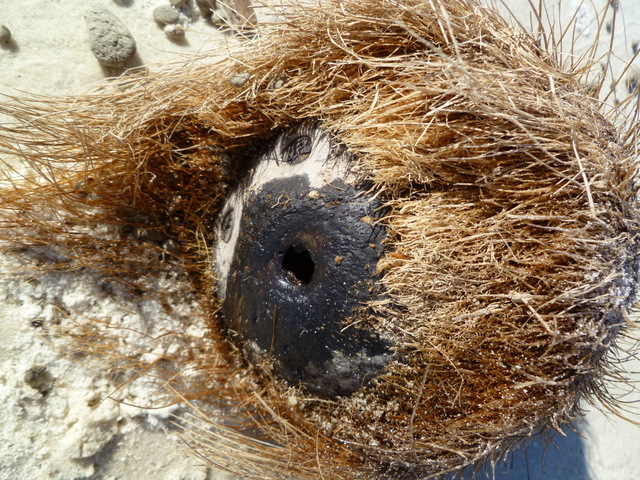
Coconut: Blue Lagoon, Lizard Island


On the beach at Watson's Bay, Lizard Island


View of Blue Lagoon from the trail to Cook's Lookout (Lizard Island)


Sabbatical III at anchor (Watson's Bay, Lizard Island)

Leaving for Lizard Island

We will leave Cairns late in the morning (Friday) heading for Lizard Island, about 140 nautical miles to the northwest.  It is supposed to be a beautiful place where one can actually swim without worrying too much about crocodiles.  We have not been in the water yet this year.  First, it has been surprisingly cold for the season — down into the high 50’s at night.  Second, the floods of the first months of the year led to large quantities of silt washing into the sea, reducing visibility.  Third, Cyclone Yasi, which hit northern Queensland a few months ago, also stirred up the water and killed large areas of coral on the Great Barrier Reef.  Friends who are currently at Lizard Island have communicated to us that the water is clear and the coral healthy there.


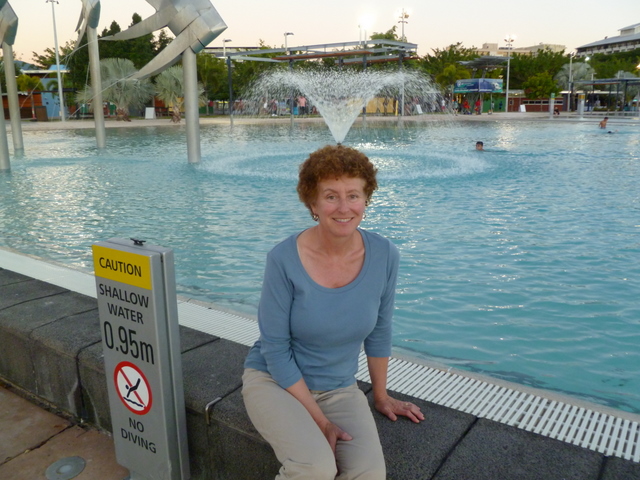
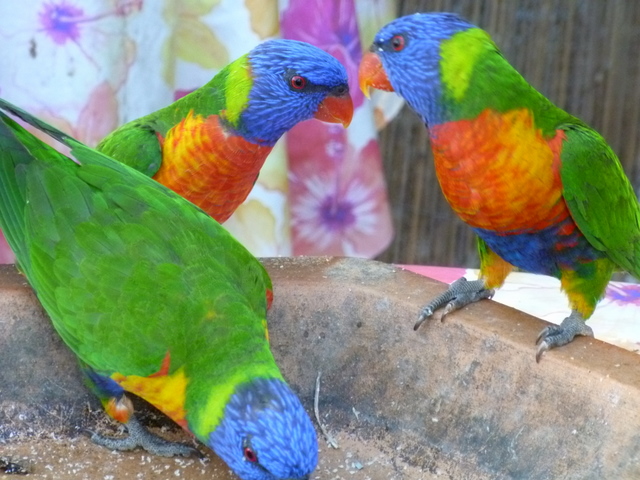
Today we went to the botanical gardens and strolled the boardwalk at sunset to watch the lorikeets congregate.  The photo below is of the public pool where Laura has gone to swim at 7 am in the morning when it is still (relatively) frigid.  At that time she can do laps.  The second photo tells you why everyone swims in the large public pool, and not in the ocean.


M.

Laura in front of the public swimming pool on the waterfront of Cairns
Beware of Crocs

Cairns

Sabbatical III sails into Cairns

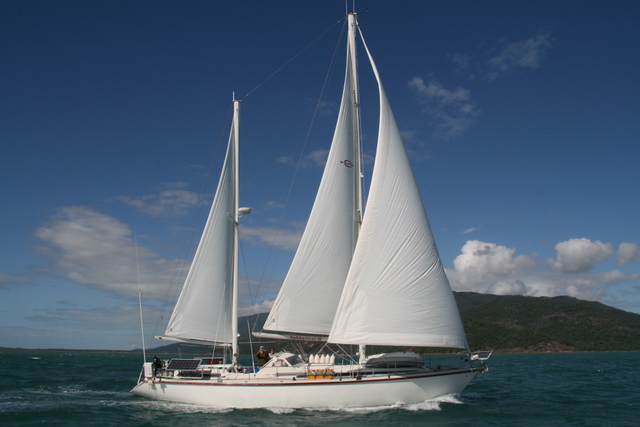
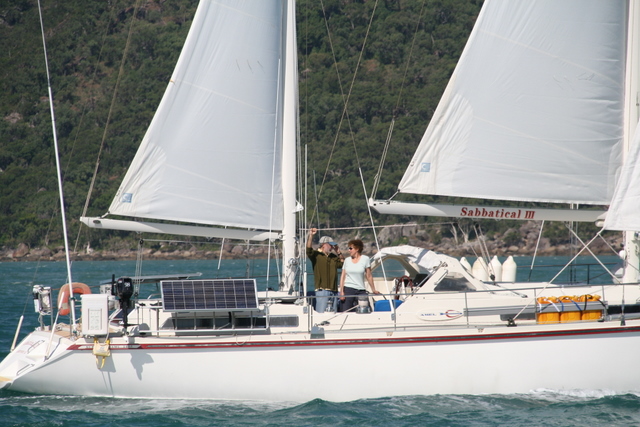
We arrived at the Marlin Marina in Cairns on Sunday after a short sail from Fitzroy Island.  The marina is part of a large waterfront tourist development with a boardwalk, nice hotels (including a Hilton), restaurants and shops, and a large swimming pool (you do not want to swim in the ocean with all the nasty creatures that inhabit these waters).  More importantly, there is a “Woolies” (Woolworth’s) supermarket just two blocks away. As we left Fitzroy Island, we saw “Wombat of Sydney” just behind us after an overnight sail from Magnetic Island.  We thank them for these beautiful pictures of Sabbatical III underway.


In the marina we have run into lots of boats that we know from last year and even before, plus we have made many new friends.  Most of these boats are heading for Darwin, as we are, and about half will proceed to Indonesia at the same time we will.  The rest are heading for South Africa.  There are five Amel’s heading for Indonesia on the Rally — two French, one Swiss, and one English boat, in addition to Sabbatical III.  In all, 93 boats are now registered for the Sail Indonesia Rally.

M.

Full press of canvas on the way to Cairns
On the way to Cairns

Video: Catching a small mahi-mahi in the way.


Hinchinbrook Channel

We left Magnetic Island yesterday heading for Cairns via the Hinchinbrook Channel.  The Hinchinbrook Channel is a relatively narrow strait between the mainland and the high island of Hinchinbrook, which is a national park.  It took most of the day to get to the channel entrance where it is quite shallow at the entrance bar.  We anchored 10 miles up the channel in a beautiful sheltered spot.  Today we went up the remainder of the channel (about 20 miles) and then across to Dunk Island, where we are now anchored for the night.  Tomorrow we will continue north to Fitzroy Island and then arrive in Cairns the next day (Sunday).


We spent much of our last day in Magnetic Island with Mike and Lynn of “Wombat of Sydney.”  Wombat was with us at Huon and Chesterfield Reef last year, and we have known them since French Polynesia.  They are also heading to Darwin.  We will likely see them again in Cairns in a few days.


M.

View from the Hinchinbrook Channel
Lorikeets
Magnetic Island to Dunk Island via Hinchinbrook Channel


Enjoy your walk

Enjoy your walk

Magnetic Island has turned out to be a place that we have really enjoyed.  The marina is quiet and inexpensive with an excellent restaurant and an IGA supermarket next door.  By staying three days in the marina (which is small and practically empty), we received a $50 coupon for dinner at the restaurant and a $25 coupon for wine with dinner.  The meal we ordered was delicious and elegantly served, and so was the wine.  With the coupon the meal was practically free.

There are great walks on the island, and a bus to take you to trail heads.  There is also wildlife to be seen — rock wallabies live on the breakwater, koalas in the trees (see photo below), and death adders, one of the most poisonous snakes in the world, crawl in the bush. There are beautiful and strange bird calls day and night even in the marina, and flocks of parrots fly from tree to tree.  — M.

Birds eat crumbs off of table
Baby koala naps in tree
Car advertising artists studio
Sabbatical III at Magnetic Island
Bananas are like gold this year (US $8 a pound)


Magnetic Island

We left Airlie Beach yesterday around midday for an overnight sail to Magnetic Island, just opposite Townsville.  We had good wind the whole way.  One-half of Magnetic Island is part of the Great Barrier Reef National Park.  The other half is a commercial tourist development with souvenir shops, jet ski rentals, and expensive eateries.

This map reflects our progress to date.  The white icon is Scarborough, where we started,  the yellow icon is Scawfell Island in the southern Whitsunday Islands where we hid from bad weather for five days, the red icon is Airlie Beach, and the green icon is Magnetic Island.  The dark patch off to the east of the icons is the Great Barrier Reef.  We still have a long way to go to get to Darwin.


Scarborough to Magnetic Island

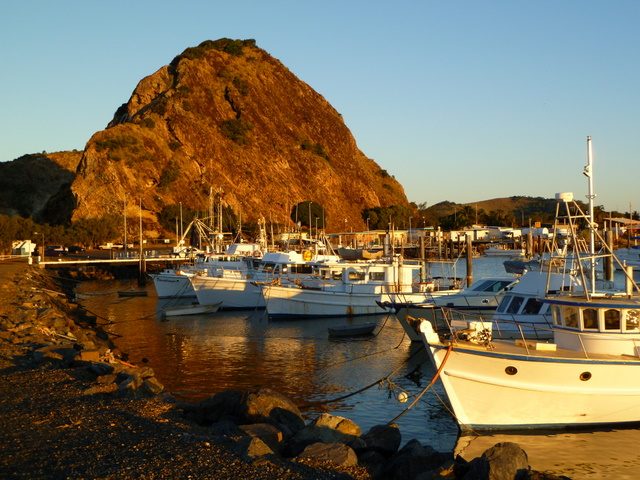
The photo below is of the fishing harbor in Rosslyn Bay where we spent two nights.

Rosslyn Bay
Rosslyn Bay

M.

Scrabble

May 19, 2011
We suddenly found ourselves with no means of posting the blog after leaving Rossyln Bay – so nearly a week has passed since we wrote about the crocodiles. After leaving Rossyln Bay we sailed to two other anchorages in quick succession – both of them about 8 hour sails. We wanted to continue to make progress up the coast, but still tie up in a comfortable anchorage to sleep at night. (The bays were called Pearl Bay and Middle Island of the Percy Isles for the record) . We ended up doing quite a bit of motoring as the winds were light and the weather was fine – really beautiful, but not that good for sailing. We started seeing very high winds and seas coming up in the forecast so we made our way to Scawfell Island which is a fairly big island with huge hills that surround a very large and supposedly comfortable and well protected bay. We ended up spending a very long 5 nights at Scawfell. After we arrived the wind and seas both picked up and there were “wind warnings” out over the marine radio. The hills protected us from the high seas, but the winds seemed to accelerate as they came over the hills and into the bay, and between the high winds and huge tides, the boat was very uncomfortable for a lot of the time–rolling and bobbing around almost as bad as being at sea. The wind was whistling and screaming through the rigging constantly and it really started to get on our nerves. There ended up being 7 boats in the anchorage and no-one left their boats at all (except for one evening). We felt a bit trapped, not able to go to land and walk on the pretty beach or even visit with anyone else except by radio. Oh well, today the winds finally let up a bit and we finally left (as did all the other boats) and we had the most beautiful sail up to our next anchorage. Great wind and we sailed through the long beautiful islands of the Whitsunday’s where both winds and currents were going our way which gave us an incredibly smooth and fast ride. We felt like we were just skimming the surface of the water – just gliding over the seas – and yet going at 9 knots of speed – pretty much as fast as we ever go. . Just wish we had left Scawfell a few days earlier and sailed here. How much scrabble can you play?
L.

Posted via email from sabbatical3blog’s posterous

Crocodile Dundee lives!

May 10, 2011: Crocodile Dundee lives!

We met an Aussie today – a nice guy named Sean who gave us some important advice regarding fishing and crocs which we wanted to pass on to you – BECAUSE YOU NEVER KNOW when you might need it.

First of all… you don’t really have to worry about crocs since :

1.)    The big ones are old and that means that they grew up when it was legal to shoot crocodiles – and apparently they are smart enough to associate the sound of an outboard motor (on your dinghy) with the memory of being shot at in their youth – and so, Sean tells us, as long as you are running your engine they won’t bother you.  

2.)    The smaller ones who don’t remember being shot at  will probably be curious about you but also will be afraid of the sound of an engine and so they too should bugger off if you run your outboard.

3.)    You only have to worry about the first bite….

1.  Sean is a hired skipper who brings boats here and there around Australia and across various oceans. Before doing that he ran fishing charters so he also gave us good tips on how to catch barramundi (a delicious Australian fish).  He also pointed out the crocs won’t be interested in your fishing pole, and even if they do, they will just snap it off before you have time to react anyways.

2.  He also ran crocodile tours, so I guess he knows what he is talking about. He invited us to call when we get farther north and he will show us around the rain forests near Port Douglas where he lives when he is not off sailing. 

3.  He was super enthusiastic about how beautiful it is up north – and he assures us that as long as we don’t try swimming in or near any of the rivers we will be fine.  The crocs apparently are “rarely” seen on beaches this time of year. (What a comfort!)  This information was conveyed along with a few asides about the fact that it is now safe to swim because the deadly poisonous box jellyfish season is over. This is one strange country.

For those of you who enjoy Bill Bryson’s writing, pick up a copy of “In a Sunburned Country” and read Part III which gives the most accurate and hysterically funny description of this part of Australia.

We are currently in Rosslyn Bay on the mainland – just a short sail from our previous anchorage at Great Keppel Island.  We had to come over here to pick up another pump and do a bit of provisioning.  The stop has been well worth it.  The name of the town closest to us was worth the trip alone: “Yeppoon”. The next closest town is called “Emu Park”. You have to love this place.

Tomorrow we head north another 50 miles to Pearl Bay.

L.

Posted via email from sabbatical3blog’s posterous

Ashore on Great Keppel Island

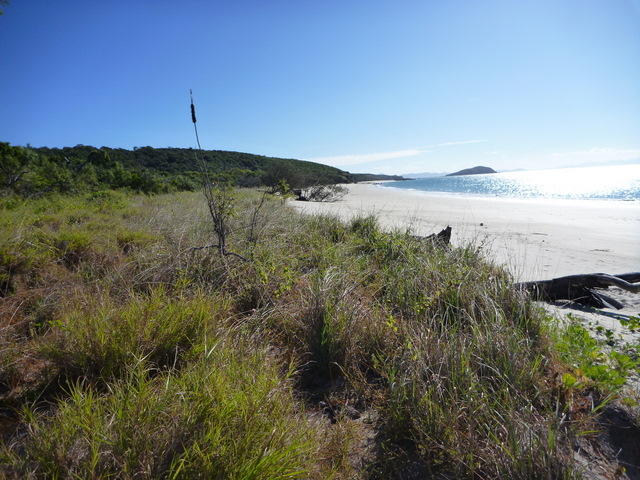
Beach at Great Keppel Island

We put our dinghy back in the water today and paid a visit to the mostly uninhabited Great Keppel Island, which is a national park.  We are already in crocodile country, which freaked us out a little bit even though they rarely come out to the offshore islands.  The saltwater crocs range up to 24 feet and can be rather unfriendly.  No sign of them ashore.  Just a couple miles of perfect beach.  We also walked in the bush on a path, carefully looking for spider webs stretched across the way.  Here are some photos of this place.

M.

Flora of Great Keppel Island


Safe arrival at Great Keppel Island

We arrived an hour ago at Great Keppel Island after a 51 hour sail from Scarborough. We had light to moderate winds the first day followed by 30+ knot winds the second day. It was a pretty good sail, although all that wind on day 2 made it a bit wearing. The occasional large wave would give Sabbatical III a good toss, making the boat roll deeply and sending anything even remotely loose knocking against whatever was next to it. During the night, whoever was off watch was protected by 6 or 8 pillows placed against the lee board of the sleeping berth. There was quite a bit of freighter traffic coming into Brisbane and Gladstone/Rockhampton, but we saw them all on our AIS display and they never came too close.M.

Sent from my iPad

Posted via email from sabbatical3blog’s posterous

Departing for Great Keppel Island

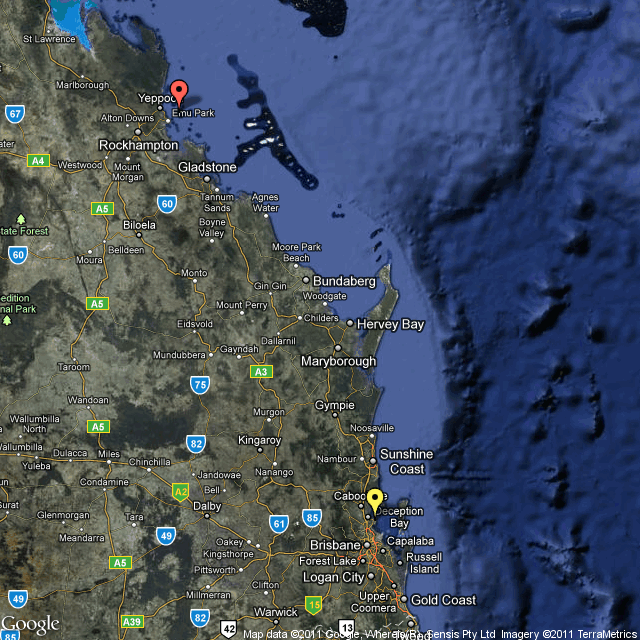
It is Tuesday evening in Australia.  Tomorrow morning we will finally start our trip up the east coast of Australia.  We have given up on visiting the coral atoll “Lady Musgrave” as the conditions are not right.  Instead, we will undertake a 340 nautical mile, two day passage to Great Keppel Island near Yeppoon.  It is supposed to have great swimming and walks, and a reasonably protected anchorage (unlike Lady Musgrave).  We will head to the outside of  Fraser Island and then inside the Great Barrier Reef at Lady Eliot.    The map below shows the area from Scarborough (yellow icon) to Great Keppel Island (red icon).


M.

Scarborough to Great Keppel Island

Preview of passage from Scarborough to Darwin

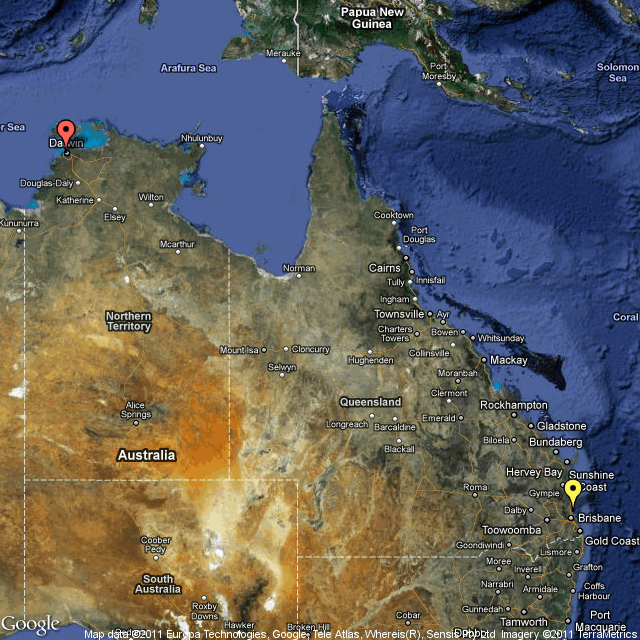
Scarborough to Darwin

The map above shows the area that we will sail through during the next two months. We will go from Scarborough (Redcliffe) near Brisbane in Queenland (the yellow icon) to Darwin, in the Northern Territory, the red icon. We will cover about 4000 kilometers (2100 nautical miles).

M.

Preparing for departure

Well, I finally have time to write a blog entry. We have been in Australia for 2 weeks now, and back on the boat for all but the first two days when we stayed at a cute little B&B (while our boat was still out of the water).  The boat got put into the water on Friday, the 15th of April and since then we have been working, working, working.  So much to do – even after we put in so much effort last November to make sure everything was in good shape.  I guess the boat just keeps aging and things start to fall apart more and more. (Kind of like us!)  Since we have been back Mark has had to fix the fresh water pump, install a new flush pump for the toilet, replace the manual bilge pump, re-attach the auto-pilot, replace all the fresh water hoses, flush and clean the yucky, filthy bilge (where we found among other things a couple of long lost screwdrivers), install a new remote control for the autopilot and other instruments – then as part of just normal boat preparation we had to  re-attached the back-stays, lift the mizzen boom, put up all three sails (which had been taken off for the season), change the water filters, re-insert the knot reader (speed instrument), refill the propane tanks, etc.,etc.  I won’t bore you with more of this, but Mark’s list was huge, and mine was equally long ( although maybe a bit more enjoyable as most of it involved buying and storing food!) The deck of our boat looks like a tornado swept through – but we hope to get the clutter put away tomorrow, finish up our provisioning, and actually start heading north on Saturday.

The weather fluctuates between beautiful and  nasty – with strong winds and lots of rain in the forecast for the next few days.  We are looking for a break in the bad weather to start heading north as we would like to get north to Lady Musgrave (a coral reef about 240 miles north of here) for our first stop.   This marks the southern tip of the Great Barrier Reef  which we will sail along for the next 6 weeks or so….

Guess that makes all this hard work so worthwhile.

We will say good-bye to Scarborough Marina and the little town of Redcliffe where we have spent a couple of months each year since first arriving in Australia at the end of 2008.

L.


Posted via email from sabbatical3blog’s posterous

Back to Australia

We are back in Scarborough, Queensland, Australia after a tiring set of flights from Providence. Instead of our usual two flights to get to Brisbane, we had four because of the limitations of our round-the-world airline ticket. As soon we arrived in Aukland, New Zealand we checked the monitor to see when our flight to Brisbane was leaving. We noticed that the monitor listed a flight that was already boarding and we wished we were on it since it was 3 hours until the next one. So we sat down to relax in the terminal for a while, and then i went scouting out a place for breakfast. As I came up the escalator, a uniformed flight agent was calling my name. How odd I thought. It turned out that we were on the flight that was boarding, and they were looking for us. They were also calling our name on the public address system. So we ran quickly to the farthest gate to get the on the plane that they were holding for us. We both thought we had a two hour layover in Aukland and did not bother to check out boarding passes on arrival. The only silver lining on this episode is the possibility that their holding the plane allowed our baggage to get transferred. All 250 pounds of our checked baggage made it on the plane. After our bags were X-rayed, the Australian security agent asked if we had a toilet seat in one of the bags, and why we did. The answer, that we had a boat, was good enough for him. I guess that they have seen enough “yachties” to know we pack odd gear with us. (The marine toilet seat we had cost us $16 in the US, but we were quoted $185 in Australia. Perhaps they plate them with gold in Australia).

“Sabbatical III” received it’s final coats of bottom paint today, and had the prop cleaned and coated with Prop-Speed. She goes into the water tomorrow (Friday) at 4 pm. It is a good thing that we booked the boat painting and launching early since it is a crazy period in the marina. The school holidays begin next week, along with the unusual juxtaposition of Good Friday/ Easter with ANZAC Day, resulting in a five day national holiday, plus next week is the start of an important ocean race. All the Aussie boats are trying to either get ready for the holiday, or get ready for the race. Finally, we posted some new video from last years cursing season on our web site. Go to our home page at https://sabbatical3.net and click on the new video link.

M.

Posted via email from sabbatical3blog’s posterous

Passage to Bangkok

December 12, 2010

To paraphrase an expression used by cruising sailors “Nothing goes to weather (upwind) like a Boeing 777.”  It was an easy “passage” on Thai airlines from Brisbane to Bangkok.  The boat was hauled last Monday and we had been living on the boat on the hardstand for four nights.  It was up and down the ladder to use the bathroom.  We had lots of work to do under the boat but got it done just in time to leave for the airport.

Here are some photos of Bangkok, plus one of Sabbatical III getting hauled.  Click to enlarge the photo:

M.

Long weekend in Auckland with Kelley

Early Friday morning we flew to Auckland, New Zealand to spend three and one-half days with our dear friend Kelley Smith.  Kelley worked with me at Brown for years and, starting in June, was managing a research project in American Samoa.  She took ill there and was medically evacuated to Auckland where she is undergoing treatment.

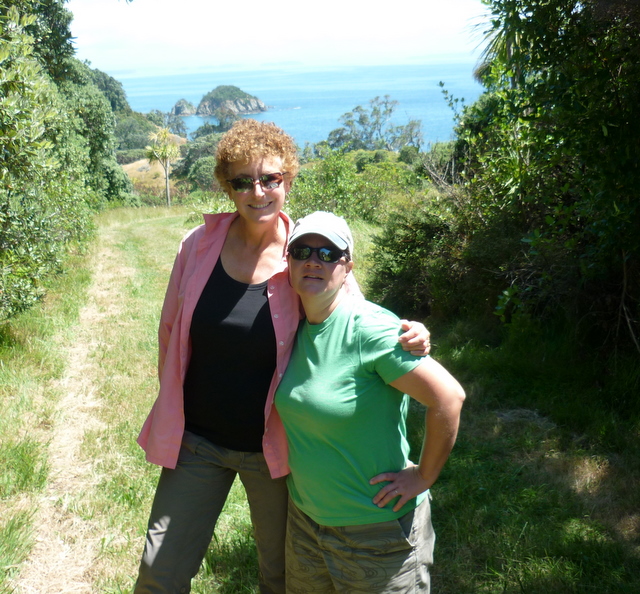
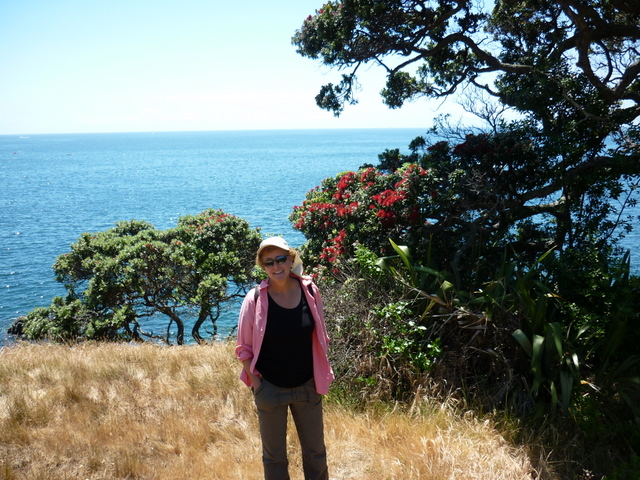
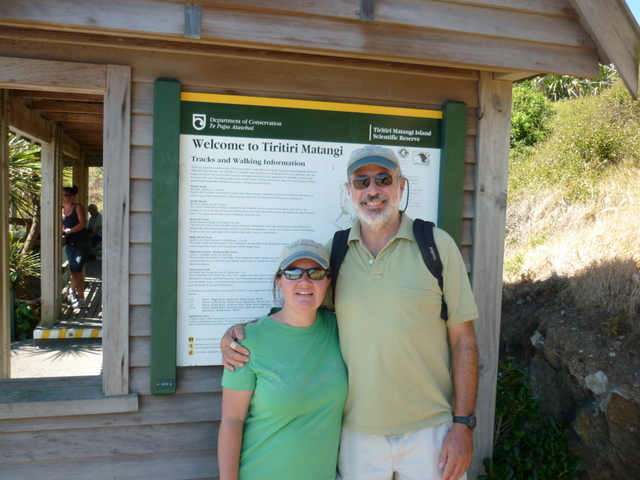
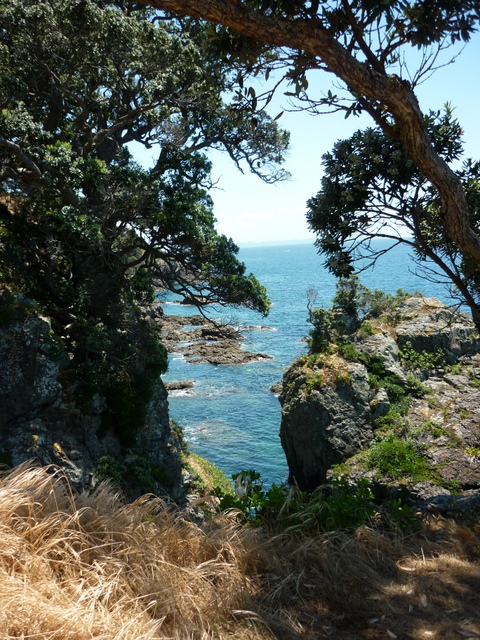
We had a great time with her in Auckland.  Friday night we celebrated my birthday at a nice restaurant in in the Takapuna beach area. The next morning we took a boat to the island of Tiritiri Matangi, which is a preserve for birds.  The weather was perfect and the scenery was beautiful.  Sunday we went to the farmers market and walked on Takapuna beach along with Jesse who had just arrived from the States to help Kelley through her treatment regimen.  We also had the chance to spend time with Kelley’s parents, Gary and Judy. Gary was also our gracious chauffeur, turning on the windshield wipers instead of the turn signal, as I also tend to do in countries with left-hand driving.

There are some photos of our trip to Auckland:

Birthday meal in Takapuna Beach (on the North Shore of Auckland)
On the ferry to Tiritiri Matangi
Laura and Kelley hiking on Tiritiri Matangi
Tiritiri Matangi
Laura at Tiritiri Matangi
Kelley and Mark
Tiritiri Matangi

M.

Mount Glorious

We finally took a half-day off from boat work to drive inland and explore.  We started in Dayboro (“The Town of Yesteryear”) where we surprised the lady in the tourist office by just showing up, then went north to Mount Mee and south to Mount Glorious.

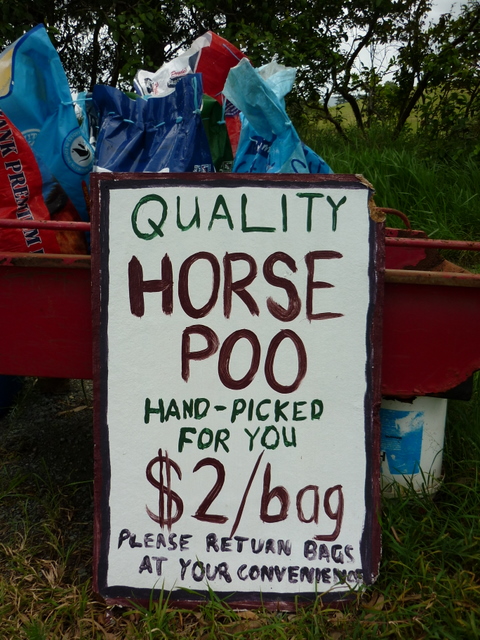
On the way up to Mount Mee we passed the following offering  for sale.  I thought it worthy of a photo, although I imagined it was just a fine natural fertilizer.  Closer inspection revealed that it is being touted as a way to lose weight.  At least that is what I think it says.

Horse poo for sale
The side of the cart touting the product's use as a diet aid

Another interesting sign:

Sign advertising "slashing". It seems that slashing is preferred to choking in Australia

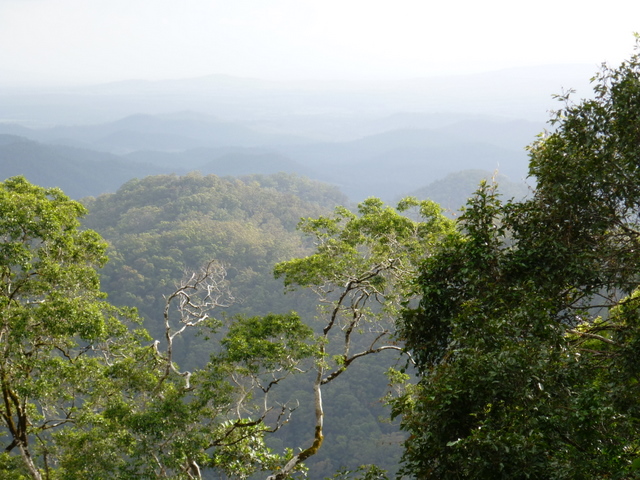
Finally, the view from Mount Glorious is glorious:

View from Mount Glorious

M.

Some new photos from Vanuatu

These are some new photos from our time in Vanuatu (June – September).  We are only now getting around to sorting through all the photos we took this past season.  The video will probably have to wait until we return to the US. — M.

(Click on first photo in a group and then click forward through the group.  There are two groups of photos.)

Group 1:

Group 2:

Back where we started: Scarborough Marina

Yesterday, we left Dockside Marina in downtown Brisbane and sailed the 30 miles to Scarborough Marina, where Sabbatical III will live until next April.  We will remain in the water at a berth until the first week of December at which time we will have Sabbatical III  hauled.

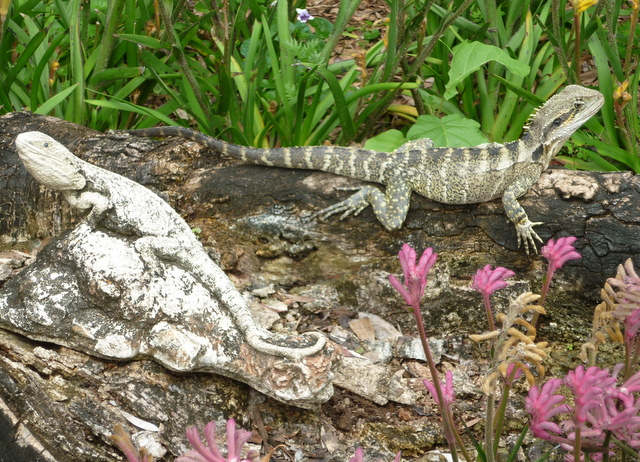
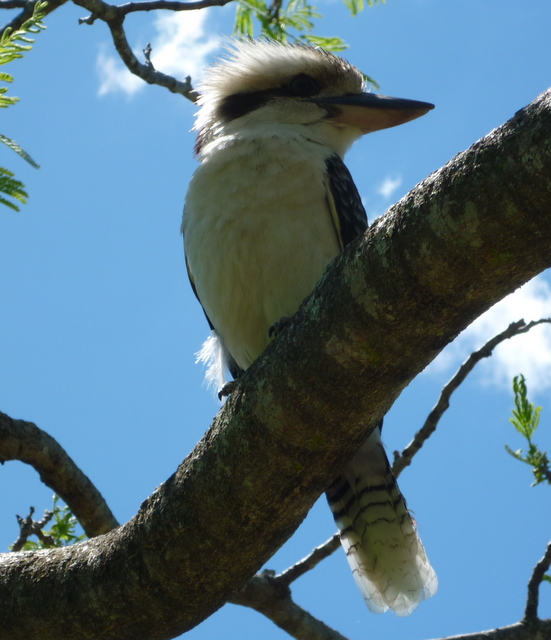
These are some photos of the local fauna taken at two of our favorite parks in Brisbane — the Roma Street Parkland and the Botanical Gardens.

Iguana poses with the statue of an iguana: Roma Street Parkland, Brisbane
Kookaburra: Botanical Garden, Brisbane

Enjoying Downtown Brisbane

Brisbane Skyline

We have spent the last few days at Dockside Marina, right across the river from the central business district of Brisbane. We really like this town. We bought a weekly ferry pass but wind up walking most of the time. The summer heat has not yet kicked in, and this is a town built for walking. We continue to engorge ourselves with fruit — mostly mangoes, stone fruit, and melon — to make up for their absence in our diet for the past few months. As we walked into the Botanical Gardens adjacent to downtown last night (Saturday), there was a growing horde of people walking with us, all about our age or older. It turns out that there was a big concert in the park — Peter Frampton, Brian Wilson, Chicago, and America, each doing a 45 minute set. It was sold out and tickets where $128 – $168. We were able to hear Frampton as we strolled through the park, over the river on the Goodwill Bridge, and back towards the marina at Kangaroo Point. Lots of 50ish and 60ish people without tickets had set up chairs and food baskets on the other side of the river to listen to the concert.

M.

Photos from Huon and Chesterfield Reefs

These are a few of the photos from our visits to these uninhabited reefs. Click on the first photo to enlarge and to continue to the next.

Wombats, Crabs, Sharks, Eels, and Us at the Reefs

[slickr-flickr tag=”Reef other” id=”48817769@N00″ captions=”off” descriptions=”on”]

Turtles at Huon Reef:
[slickr-flickr tag=”Turtles” “Huon” id=”48817769@N00″ captions=”off” descriptions=”on”]

Birds on the Reefs
[slickr-flickr tag=”birds” id=”48817769@N00″ captions=”off” descriptions=”on”]

M. & L.

Departing for Brisbane, Australia

We will leave the “Trois Ilots” anchorage at Chesterfield Reef at 0600 local time tomorrow morning (Saturday, October 23) heading for Rivergate, Brisbane. The passage is about 550 nautical miles on a heading of 216 degrees true. The forecast calls for fairly strong winds of 22 – 25 knots from the east-southeast during the first day, declining to 14 – 18 knots on the second day, and then 6 – 12 knots on the last day. Seas are forecast to be 3 meters the first 12 hours, then declining fairly quickly. We hope to be at the Customs Dock at Rivergate, Brisbane before 6:00 pm on Tuesday (October 26).

“Wombat of Sydney” with Mike and Lynn aboard will be leaving when we do, although they are planning to make landfall at Coffs Harbour in northern New South Wales, before proceeding on to Sydney. The course to Coffs Harbour is quite close to the course to Brisbane.

M.

Posted via email from sabbatical3blog’s posterous

Clouds of birds

Chesterfield Reef is quite a beautiful place. Although there are turtles mating and nesting on the tiny small islands of Chesterfield Reef, as on Huon Reef, the highlight here is the birds. The island across from where we are anchored has a perpetual cloud of birds over it. Going ashore makes the cloud even larger as hundreds of birds take wing and squawk at the interlopers. A thousand more of the smaller birds stay on the ground guarding their eggs or fledgings. Unlike Huon, there are “trees” on most of the small islands. They stand only 5 to 10 feet tall and are filled with gnarled branches, perfect for the nests of larger birds who fear that the crabs will eat theirs eggs or babies. Frigate birds and boobies of an unusual variety (tan heads, blue beaks, pink facial coloring, and bright red feet) nest in the trees. The attached photo is of one of the boobies.

Frigate birds nest in only a handful of places in the world (we visited their nesting site in the Galapagos) and they are incredibly acrobatic flyers. However, it would be easy to despise them. They live only by predation. They cruise slowly at a higher altitude than the boobies and terns, and when the other birds dive into the water and catch a fish, the frigates dive and attack them in a vicious fashion. They go for the wings, forcing the attacked bird to drop its catch and sometimes breaking the wing of the victim. Breaking a wing is certain death. When the victim of the attack drops its fish, the frigate catches the fish even before it hits the ground. The frigates even look evil up close. They have a beak like a vulture and, except when they are still chicks in the nest, they lack the pleasant demeanor of the boobies and terns. Yet, boobies and frigates nest in the same trees, just feet apart.

It has been very windy since we arrived, consistently in the 25-35 knot range. Along with “Wombat of Sydney”, we have been unwilling to anchor close to the islands and fringing reef because of the prevalence of coral bommies. The consequence is that we have about 2 miles of fetch, that is, there are two miles of open water between the nearest protection from waves and where we are anchored, and a considerable wind chop builds up in those 2 miles. The islands with birds are less than one-half a mile away, but they are not in the direction that the wind is blowing.

We were the only boats here when we arrived, but to our amazement, a boat called on the radio the night before last asking for help getting through the pass and into our anchoring area. Entering this place in the dark is just not a reasonable risk in our opinion. Chesterfield Reef is barely charted — almost the entirety of the lagoon area is greyed out in the charts, meaning you are on your own. In the dark, one cannot keep a watch for the coral bommies that litter the area. A boat has to come straight into a 30 knot wind and a steep wind chop to get here from the pass. Sabbatical III, a bigger than average boat, pounded up and down in the seas for the 8 mile trip and averaged less than 4 knots coming into the wind and seas. If a boat pounded onto a coral bommy in these conditions, she would surely be holed. The entering boat was very lucky that Mike of Wombat was willing to guide them to safe anchorage via VHF radio by providing a course into our anchorage that avoided the coral bommies we encountered during our trip in. We tried to follow the boat’s progress on radar but could not pick it up. Turns out it is a small wooden vessel with almost no radar return.

It is now one month since we left Noumea and headed out to uninhabited places. So we have not reprovisioned our food supplies in all of that time, except for the wahoo I caught during the passage here. The wahoo is now gone after providing 5 meals for the two of us. We are down to our last 2 oranges and then it is just canned fruit for us. Still have lots of canned food and frozen meat. Also lots of rice, crackers, chocolate, yogurt (in packets that we make every few days with a yogurt maker) and cereal.

We are looking for a weather window for the trip to Brisbane, Australia. As of now, it looks like Saturday is a good day to start that 3 and one-half day passage. As I write this blog, the wind has fallen to only 20 knots, although the seas are still in the 3.5 meter range outside the reef.

M.

Posted via email from sabbatical3blog’s posterous

Passage to Chesterfield Reef and the boiling batteries

We arrived in Chesterfield Reef yesterday at about 4 pm after a 53 hour passage from Huon Reef. The passage was longer and harder than we expected. The difficulty was not just with the wind and seas, which were more contrary and uncomfortable than expected, but also with some serious electrical and mechanical issues with Sabbatical III. We have been at Chesterfield Reef for 24 hours now and the electrical issues with the boat have been resolved thanks to the expertise and generous assistance of Mike of “Wombat of Sydney” who spent three hours with me this morning resolving our battery charging issues. The mechanical issue turns out not to have really been an issue. Last night I went to bed exhausted and anxious about the boat and that was an improvement from the night before when I was more concerned about the condition of the boat than at any other time since we have sailed. Now I am feeling pretty relaxed — and I have not been drinking.

The story, in brief, is this. We have had a battery charging problem with our 100 amp charger for nearly two weeks. A defect in a new high pressure hose of my watermaker caused a spray of salt water in the area next to the charger. Although the charger seemed fine after the salt spray incident, the voltage regulation circuits must have been damaged. The charger put out more volts than it should. Once I detected the high voltage (I have an in-line voltmeter on the batteries), I stopped using the charger and reverted to using my backup 30 amp charger. But the damage to the batteries had already been done. On the second night of the passage to Chesterfield Reef, the wind died and I ran the engine. At about midnight, six hours after starting up the engine, I noticed that the battery box was very hot and that the alternator on the engine was putting out more amps than it should. I opened the battery box (under the sea berth) and found that one battery was boiling acid and was grossly deformed and that another had a crack, at least two had vented, and all 12 sealed AGM batteries were very hot. I quickly shut down the engine and moved a fan to blow on the batteries. There was no wind and we were drifting. There is no on/off switch for the engine alternator — when the engine is on the alternator provides power to the batteries, and can provide lots of it — up to 175 amps at 24 volts. Clearly, some or all of the batteries were “cooked” by overcharging, and the overcharging was probably due to a short or other failure in one or more of them. The batteries were not coming up to charge and were accepting unlimited amps from the alternator and turning it into heat, melting cases and lead plates and causing the acid to boil. Not a good scene.

Laura got up from sleep to watch over things while I went into the engine room to take the alternator off-line by removing the two belts connecting it to the engine. It is not difficult to unbelt an alternator, but I was frazzled and tired, and it was hot and dark. It must have been 150 degrees or more next to the engine, and the alternator was extremely hot.

The boiling batteries were not the only thing to make me frazzled on this awful night watch. At the start of the evening, our fridge suddenly went out. I could not get the compressor to come on, even when I switched to a different thermostat. We have a second fridge which was not on, so I turned it on and moved all of our food to the second fridge. More concerning was our slow progress. We were only making 4 1/2 knots over the ground (according to the GPS) even though I had the engine powered up at higher rpm’s than usual. There was no wind but there was a misty fog unlike anything I have seen in the tropics. We were burning precious fuel at a faster rate than I thought prudent, and it did not seem likely that we could enter Chesterfield Reef before dark the next day, which would mean a third night at sea in a uncomfortable roll. I could not figure out why we were making such slow progress. It might have been adverse current but my knotmeter was gummed up with coral growth and not working. After I unbelted the alternator after midnight, I decided to check the engine transmission, and, using a flashlight in the dark, I saw seawater in the transmission (the connection between the engine and the propellor). Seawater in the transmission means that the seal around the prop shaft was damaged and sea water was replacing the lubrication oil. That would explain the slow speed. There was nothing to do but motor on, but at a slower rpm so as to reduce the chance of breaking the transmission. Laura took over and I collapsed in bed for four hours of sleep. I did not even hear the squalls with lightening that blew by in the night.

In the morning, I called Mike on Wombat of Sydney on the sat phone to report on our problems. He was by then 25 miles ahead of us, but Mike was willing to turn around and take us in tow if that was necessary. We had not come to that yet. In the light of day, I checked the transmission oil again and it looked much better. In fact, there was no water in it at all. The flashlight in the dark, and my being tired and frazzled, just made me think I saw sea water in the transmission oil. So that worry was gone — the engine would still be able to turn the prop. Although the batteries were still hot after eight hours without a charge, the voltage was getting low so I started a routine of running the generator for 45 minutes every two hours to keep some power in them so we could run our navigational instruments and autopilot.

It seemed unlikely that we could make it to Chesterfield Reef before dark,a unpleasant prospect,unless the wind went from 2 knots to 20 knots very quickly. And then the wind suddenly came up around 9 am and in minutes it was blowing 20 – 25 knots on the beam and the boat took off at 7.5 – 8.0 knots. One more problem solved. Unfortunately, we left a hatch partly open and when the wind picked so did the seas and sea water drenched the forward head. Plus the toilet seat broke off. But these are minor issues.

Once at anchor at Chesterfield, Mike advised me over the radio to take the damaged batteries off line right away to avoid a variety of problems they might cause. The batteries were still hot, and I was too tired to pull 75 pound batteries out of the case and rewire the remaining batteries. I checked the individual battery voltages with a multimeter and found that the voltages were all over the map — no wonder they kept sucking up power from their charging sources.. Instead, we turned off the fridge and freezer, which are are biggest draws on battery power, and kept lights off. Laura cooked up some of the fresh wahoo fish that I caught the day before, and we ate 3 servings each of coconut sorbet before it turned to goo in the warm air, and we slept for 12 hours.

In the morning, Mike came over to help. Mike is a problem solver and he soon identified four batteries that had to come off line, and quickly got the remaining ones appropriately paired and wired. Some of them are in marginal shape, but should get us to Brisbane without too much trouble. He also found a broken voltage sensing wire at the alternator. We got the reduced battery bank to take a full charge without generating heat using the backup charger (the main charger is dead), and then rebelted the alternator and got it back on line, although we are not sure it is working properly. Everything in the freezer — steaks, chicken, wahoo, veggies – was still mostly frozen when we the power came back on. I even got the dead fridge working. The firdge must of died when Laura pushed a big hunk of fresh wahoo in an already full fridge, the pressure accidently disconnected a wire from the thermostat. Once I reconnected it, the compressor came back on.

So thanks to Mike and some luck, Sabbatical III is in decent shape again. We have not been to shore, or even set up the dinghy yet. All this fixing took much of the day and all of our mental energy. Chesterfield Reef looks like a beautiful place from the boat and tomorrow we hope to have a closer look.

M.

Posted via email from sabbatical3blog’s posterous

Leaving Huon Reef tomorrow

We expect to leave Huon Reef tomorrow at about 11 am local time and make the 284 nautical mile passage to Chesterfield Reef. Light and shifting winds are predicted and we expect the passage to take 44 – 48 hours. Chesterfield Reef also belongs to France (New Caledonia) and is an important nesting site for turtles and sea birds. Our permission letter from the French Ministry of the Environment includes Chesterfield. More on Chesterfield once we arrive there.

A storm came through here on Tuesday and Wednesday, so we did not go to shore on either of those days. We saw the storm coming more than a week ago in the GRIB weather charts. Along with “Wombat of Sydney”, we decided that the safest place for us to be was right where we are. All we did is reposition the boats a bit to get more protection from the island, and put out almost all of our anchor chain. The waves were 15-18 feet outside the reef (but just wind chop inside the reef) and the wind was consistently above 30 knots gusting to 40 knots on Tuesday night, but we were comfortable onboard Sabbatical III. There was a report of 57 knots in the anchorage at Noumea. It was not the best sleeping weather with the howl of the wind and the sound of the anchor chain and snubber straining. The good thing was the driving rain that cleaned the bird droppings off of the deck. It was the first rain we had seen in at least a month.
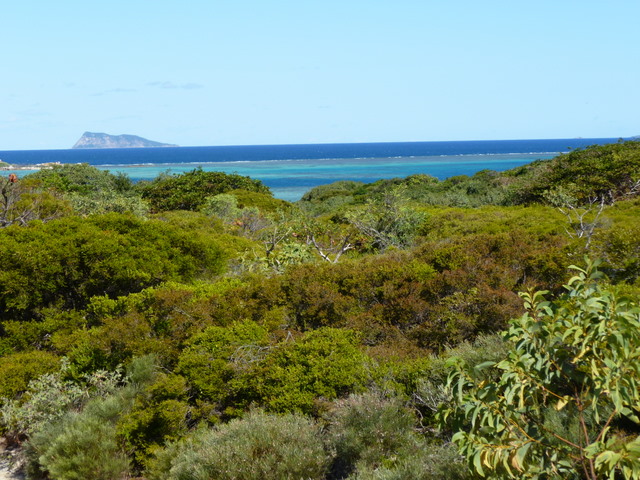
The seas are coming down rapidly and during our passage the wind will be clocking around to the north, then west, and back to southeast, so it is a good time to leave. Huon only provides protection from the southeast quadrant. The east-southeastly trade winds should be re-established by the time we get to Chesterfield. Chesterfield reef has only a few sand islands, and our entrance to the reef complex is located at about:

S19 degrees 49.3 minutes
E158 degrees 23.7 minutes

The course is 248 degrees true from Huon Reef.

M.

Posted via email from sabbatical3blog’s posterous